Accidentally inserted infants tylenol acetaminophen suppository in 2 year olds vagina. A suppository is a capsule designed to deliver the medicine to the body through body cavities.
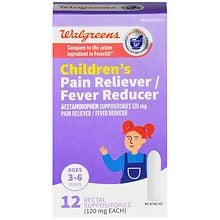
Walgreens Children S Fever Reducer Rectal Suppositories Walgreens
FeverAlls acetaminophen suppositories are safe for infants ages 6 months to 36 months.

Infants tylenol suppository. Tylenol acetaminophen is a pain relieverfever reducer used for the temporary relief of. Severe liver damage may occur if your child takes. FeverAll is a suppository form of acetaminophen the common fever remedy known and trusted by pediatricians.
Available in 3 strengths for infants or children of different ages FeverAll suppositories provide an effective dosing alternative for children who wont or cant take medication orally due to nausea. Infants rectal suppositories 80 mg. Accidentally inserted infants tylenol acetaminophen suppository in 2 year olds vagina.
Infants oral suspension shake well. Different brands of Tylenol acetaminophen suppositories may have different doses for children. They are helpful to have on hand in case your child has fever or pain and is vomiting and cant keep down acetaminophen by mouth.
Always read the label on the package and follow the directions for use carefully before giving a dose. For infant suppositories that read 80 mg on the label. Tylenol suppository is delivered through the anal opening and is.
Theyre recommended for infants from ages 6 to 36 months to temporarily reduce fever and relieve minor aches pain and headaches. Tylenol suppository is delivered through the anal opening and is not an easy option which makes it the last. You will need to talk about the benefits and risks to you and the baby.
What do i do. More than 4 dosesin 24 hours which is the maximum daily amount for ages 6 to 11 months More than 5 doses in 24 hours which is the maximum daily amount for ages 12 to 36 months With other drugs containing acetaminophen. If your child is 12 to 36 months.
5 doses in 24 hours. You can give Tylenol suppository to a baby when they are unable to have the medicine orally 7. Childrens oral suspension shake well.
For infant suppositories that read 80 milligrams mg on the label. What do i do. 10 rows The makers of TYLENOL recently introduced a new enhanced bottle design on infants.
Minor aches and pains due to the common cold flu headache sore throat and toothache. Acetaminophen Rectal Suppositories Generic for Tylenol SuppositoriesFeverAll Childrens 120 mg 12 ea per Box 2 Pack Total 24 ea 47 out of 5 stars 173 1422 FeverAll Infants Acetaminophen Suppositories 6 Rectal Suppositories 80mg each Pack of 3. It has already dissolved.
Causes Of Cold In Babies Can You Give Tylenol Suppository To The Baby. Use K-Y Jelly or Vaseline to lubricate the suppository and insert in the childs rectum every 4 hours as necessary. Blood was collected at selected times for up to.
If its only one not a problem. Talk with the doctor before giving Tylenol acetaminophen suppositories to a child. 1 suppository every 4 to 6 hours.
Childrens chewables or meltaways 80 mg. A suppository is a capsule designed to deliver the medicine to the body through body cavities 8. 4 doses in 24 hours.
Each unit includes six rectal suppositories. Tell your doctor if you are pregnant plan on getting pregnant or are breast-feeding. If your child is 3 to 6 years.
If more take her to the. Reach for these fever reducer suppositories for babies when your child is dealing with symptoms arising from a cold or other upper respiratory infection. FeverAll is the only acetaminophen product available with dosing instructions on the package for infants as young as six months of age containing fewer inactive ingredients than the leading acetaminophen oral brand.
When liquid medication isnt an option turn to FeverAll Acetaminophen Suppositories to temporarily reduce childrens fever and relieve minor aches pains. 5 ml or 1 teaspoon. It has already dissolved Answered by Dr.
FeverAll is a must-have for households with babies and children. The rectal suppositories are doctor recommended for infants as safe and effective. Acetaminophen dose for a child 24 to 35 pounds.
Junior-strength chewables or meltaways 160 mg. You can give Tylenol suppository to a baby when they are unable to have the medicine orally. Help your little one feel better quicker with FeverAll Acetaminophen Suppositories.
Thirty infants age 3-36 months prescribed ACET for either fever pain or postimmunization prophylaxis of fever and discomfort were randomized to receive a single 10- to 15-mgkg ACET dose either as the rectal suppository or oral elixir. 1 suppository every 6 hours. Acetaminophen rectal suppositories can be purchased at your pharmacy without a prescription.
Causes Of Cold In Babies Can You Give Tylenol Suppository To The Baby.
Typically RSV causes a cold which may be followed by bronchiolitis or pneumonia. It takes between two to eight days from the time a person is exposed to the RSV to show symptoms.

Bronchiolitis And Rsv After Hours Kids Physician Assistants
Symptoms generally last three to seven days.

How long does rsv last in infants. If soap and water are not available use an alcohol-based hand sanitizer. RSV can be prevented by. How RSV affects your body.
This virus occurs in the late fall through early spring months. Wash your hands often Wash your hands often with soap and water for at least 20 seconds. Bronchiolitis is a common lower respiratory tract infection that affects babies and young children under 2 years old.
Children and infants will usually recover within 1 to 2 weeks but RSV can continues to. Those who are hospitalized may require oxygen intubation andor mechanical ventilation help with breathing. Most improve with this type of.
Symptoms of RSV include a runny nose and decreased appetite followed by coughing sneezing no fever or a mild fever at 1 to 3 days. Almost all babies get RSV sometime most of them before they are 2 years old. Keeping infected people away from others especially babies and older people.
The early phase of RSV in babies and young children is often mild like a cold. For most healthy children RSV is like a cold. Most babies can recover from RSV without having to receive treatment in a hospital setting.
Symptoms begin between 3 and 10 days after infection. How to treat RSV in infants If your child is diagnosed with RSV you can expect the symptoms to last one week but they may last as long as two to three weeks. This is referred to as the incubation period.
RSV in children is normally associated with mild to moderate cold-like symptoms which generally last between eight and 15 days. Babies born prematurely or with heart lung or immune system diseases are at increased risk for more severe illness. During fall winter and spring.
Most children and adults recover fully in one to two weeks. But if you think your baby is dehydrated or. Sometimes an ear infection can follow.
Symptoms can be more severe in babies under 6 months with wheezing and shortness of breath irritability and poor feeding. In most children cold-like symptoms of nasal stuf fi ness and discharge cough diffi culty breathing irritability and decreased activity appear. After exposure to the virus your child may only develop symptoms around five days later.
RSV season occurs each year in most regions of the US. The Centers for Disease Control and Prevention CDC report that nearly all children will be infected with RSV by the time they turn 2 years old but only a small portion of them will have severe. The best treatment for.
Symptoms start about 2 to 5 days after contact with the virus. RSV infection in older children and adults may seem like an episode of severe asthma. RSV can live on hard surfaces for many hours.
Babies can make a full recovery from RSV in one to two weeks. What are the symptoms of RSV in a child. When these epidemics start and how long they last varies by regions.
But some children get very sick with RSV. If your child has RSV they may have some or all of the following symptoms. RSV causes epidemics every year usually during the winter and early spring.
RSV or respiratory syncytial virus is one of the many viruses that cause respiratory illnessillnesses of the nose throat and lungs. What are the symptoms. One to two out of every 100 children younger than 6 months of age with RSV infection may need to be hospitalized.
It is most common from fall to spring but a person can catch it any time of the year. In older children and adults RSV causes upper respiratory infection. Most cases are mild with symptoms of a runny nose cough and fever.
Most people recover from RSV in about 10 days. If you are at high risk for severe RSV infection or if you interact with an older adult you should take extra care to keep them healthy. Symptoms are normally seen 3 to 8 days following exposure to the virus.
For healthy babies it is like getting a cold. Washing your hands - soap and water kills the virus. Shed for 3-8 days and in young infants this period may last 3 to 4 weeks.
Most infants and children and older adults usually develop symptoms about 4 to 6 days after their first exposure to RSV. Respiratory problems include wheezing and pneumonia. RSV epidemics occur annually during the winter months in temperate regions with most US infections occurring in a 22-week period from November to May14By age two years almost all children have been infected with RSV and about half have been infected twice15Immunity is fleeting and reinfection is common throughout the lifespan.
RSV can live for at least a half hour on the hands and for several hours on various surfaces. RSV stands for respiratory syncytial virus. Children take around 8 to 15 days to recover but some will need to go to hospital especially if they are babies younger than 6 months.
Most cases are mild and clear up within 2 to 3 weeks without the need for treatment although some children have severe symptoms and need hospital treatment.